
The Salvage of the Prince Eugene — Fall 2001

~
The Great Lakes… 84% of the continent’s fresh water… a different story in every drop.
By Ruth Powell
Beautifully carved on an old hemlock tree in Manistee, Michigan, were the Captain’s name and the year of his death. The crew was saved but the 25-year-old Captain, being the last one to leave the boat, was so chilled and exhausted that he died and was buried under the hemlock tree. The crew wintered in a cabin until they could make their way to St. Joseph in the spring. This group is said to have built the first settlement made by white men in Manistee.
In 1876, it was written, “that the tree was still standing until 7 years ago but has since disappeared — probably destroyed by fire.” The Captain was Alvin Patterson. It was reported that he “was a favorite with all who knew him, and a seaman and commander, stood deservedly high.”
The Captain’s schooner Prince Eugene was owned by Oliver and Walter L. Newberry of Detroit and Horatio N. Holt and Jacob A. Barker of Buffalo, New York. It was enrolled at the Port of Detroit, Number 17, on August 138, 1832. It had been formerly enrolled at Huron on May 26, 1832. It was built in Huron, Ohio, the same year: “having one deck and two masts and being seventy-one feet long with a breadth of 20 feet, 11 inches and 8 feet deep with a tonnage of almost 105.”
Apparently, as was typical of that time, it carried an assortment of cargo. Schooners were then used as transporters, much as semi-trucks are today. The Detroit Democratic Free Press, November 19, 1834, quoting the St. Joseph Statesman, reported that the Prince Eugene was wrecked in Sable Bay, twenty miles north of Sable Point and about 180 miles north of the mouth of the St. Joseph River. She was driven ashore in a gale and was completely under water. Her whole cargo was estimated at $70,000, and vessels were sent to recover what they could. The article went on to say: Lake Michigan is one of the best lakes for navigation in the west; and this has been the only occurrence of the kind, to our knowledge, that ever happened in her waters. For the want of good and sufficient harbors, accidents of minor importance have occurred in attempting to discharge their cargoes. For this reason, on merchandize [sic] destined to the southern part of Lake Michigan, insurance cannot be obtained to cover any loss occurring in sight of the Lighthouse at the port of destination. Merchants living in this sector have not, therefore, generally affected insurance at all. Such being the fact, we fear that by the wreck of the Prince Eugene much individual loss will be sustained.’
It is not known what, if anything, happened concerning the vessels sent to recover the goods or any activity concerning the schooner until 1843. Because the following record was recently discovered in an old metal box where it has probably been since 1843, we now have a record of the salvage operation beginning in May 1843, and continuing through the end of July. In addition, these men worked on the salvage of another vessel (unnamed) at Little Point au Sauble.
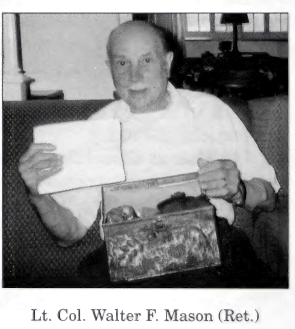
Lt. Col. Walter F. Mason (Ret.) has generously shared this record with us. It was his great‑great‑grandfather, Stephen A. Wood (born July 5, 1795), who led the salvage party. Also in the party were Stephen’s son, Warren Wood, and Gilbert Avery, who later became an architect and designed the jail in Berrien Springs, Michigan, where all three were residents. The others involved have not been identified.
This salvage effort is particularly interesting because it was done in homemade canoes under primitive conditions. The men displayed great stamina by paddling 54 miles in two days (June 6 and 7) and then spending the next two days cutting logs in the rain and building their shanty. The general storminess of the summer is also noteworthy.
What follows is the journal with original spelling. The document contained no punctuation, but we have inserted periods for easier reading.
The following people contributed to the research:
- Robert Graham, Historical Collections of the Great Lakes, Bowling Green University;
- Steve Harold, Manistee Historical Museum;
- Dave Swayze, author of Shipwreck!
Journal of Stephen A. Wood – 1843
May 13, 1843: Left at 2 o’clock. Run to the anchorage 1½ miles above St. Joseph. Stayed all night.
May 14: Left St. Joseph. Ran to North Black River by 2 o’clock. Ran into the river; lay by — too rough to go on. Wind east by south.
May 15: Wind blows and lake rough. Stayed all day. Hunted; got no game.
May 16: Weather the same. Went fishing; caught seven pickerel and one catfish.
May 17: Left Black River at 2 o’clock in the morning and ran within one mile of North Black River and hauled out. Wind north by west.
May 18: Started at sunrise from one mile above North Black River and ran four miles below Port Sheldon — fourteen miles in all. Wind north by west, lake rough; had to haul out and lay by.
May 19: Started between daylight and sunrise; ran into Grand River and got breakfast. Saw twenty‑seven [Native American] lodges; ran from Grand River and Muskegon River and stayed all night. We ran twenty‑four miles.
May 20: At 2 o’clock in the morning started and at three o’clock landed at Little Point Sable (35 miles). Found our shanty torn almost to pieces.
Sunday, May 21: Repaired our shanty and got things to rights.
Monday, May 22: S. Wood and Greene made a canoe 14 feet long, 28 inches wide. Warren, Cook, Avery, and George made handles to our pikes and hooks.
May 23: Rigged our blocks and fall in the forenoon. Calm in the afternoon; worked at the vessel; got the chain up and a barge under it.
May 24: Cloudy and rainy; wind south. Strapped three sets of blocks. Went out to the little lake and could not find our canoe. Couldn’t catch fish.
Thursday, May 25: Weather fair, wind E and S. All hands to work on frame to raise chain and anchor, got it nearly ready.
May 26: Went out to the little lake; hunted for our canoe and could not find it. Cut down a tree to make one, worked until 3 o’clock.
May 27: Worked at our canoe again, finished it and got it into the lake. Warren killed two ducks and Greene one. Avery, Warren, and Evaltz went fishing that night; got back about midnight with 32 bass and five pickerel. Wind west by north, lake rough.
Sunday, May 28: Cleaned our fish. Avery went to the little lake and got two bass and one duck. Avery, Warren, and Evaltz went again that night to fish; came back about midnight with 33 bass.
Monday, May 29: Weather fair. Worked at the vessel all forenoon putting up our rig to raise chain — most of the afternoon as well.
May 30: Wind west and blows like Samhill. Avery, Warren, and Evaltz went to the little lake; came back at 2 o’clock with 14 bass. Wind and waves have carried away all our works of yesterday; wind has gone north.
May 31: Blows a gale all day; carried away all our so‑far‑for‑nothing work.
June 1: More moderate. Avery, Warren, and Evaltz went fishing; caught three bass and two ducks. Greene got one duck. Making preparations to go down to Manistee to the Prince Eugene. Avery, Warren, and S. Wood went over to the little lake and caught 11 bass.
Friday, June 2: Wind south and blows a gale; some rain.
Saturday, June 3: Wind north. Nothing going on. Jo Greene left this morning for home on foot and alone about 9 o’clock. Some tall thunder showers through the night from the southwest.
Sunday, June 4: A little more fair; considerable wind from the south. No chance of getting away from here yet—it is very cold, almost freezing. Avery went hunting and got five pigeons.
June 5: The weather continues as yesterday—windy and cold.
Tuesday, June 6: Weather some better. Left Little Point Sable about 9 o’clock and ran eight miles into a creek; stayed the rest of the day. Lake rough.
Wednesday, June 7: Left the creek early in the morning and ran eight miles below Manistee to the Prince Eugene (forty‑six miles). Little rain.
Thursday, June 8: Considerable rain; did not do much. Cut some logs for shanty and got the body up.
Friday, June 9: Peeled bark and finished our shanty.
Saturday, June 10: Went to work at the vessel and got one side of leather.
Sunday, June 11: Nothing to do; lake rough; wind south. (Cook this week.)
(The weather continued through Wednesday as it had started on Sunday. Finally—)
Thursday, June 15: Middling fair; worked at the Prince Eugene a little over half a day; wind commenced blowing moderate from the south; had to quit work.
Friday, June 16: Wind north; lake rough. Doing nothing as usual.
Saturday, June 17: Morning middling fair; worked at the vessel about four hours.
Sunday, June 18: Morning fair; worked at the vessel until about 11 o’clock and got 18 feet of stovepipe. Wind came up from the south and we had to quit work.
Monday, June 19: Fair in the morning; worked at the vessel about two hours and got 11 joints of stovepipe—making 22 feet. Leather and stove at hand and can’t get them till it comes good weather.
(Again, rough lakes persisted, halting work until the end of the week.)
Friday, June 23: A little more moderate. Went out to the vessel and worked about one hour; got two stove bottoms. It was too rough —had to quit and came ashore; nothing more to do.
Saturday, June 24: Wind south by west; lake rough as usual.
Sunday, June 25: Fair. Got to work at the vessel and worked until five o’clock in the afternoon. Got two cooking stoves and some of their furniture -five griddles, two rings, three covers, one small box stove and one large box stove, three stove bottoms, six pair of andirons and a half,fifteen pieces of stovepipe, one‑half side of sole leather, two large dinner plates. We lack five feet or legs and two small cook stoves.
Monday, June 26: Lake rough and wind west. We worked cleaning our stoves and other things that we got out yesterday. Mr. James Warren was here today from Manistee — he is to work for Mr. Straner up the Manistee about six miles.
Tuesday, June 27: The wind blows about as it did yesterday; nothing to do. Calmed off toward night so that we worked about one hour hauling off sand.
Wednesday, June 28: Tolerable fair though the water is riley; worked about three hours and got six joints of stovepipe (12 feet), two bottoms, one large pot, one large dish kettle marked “4,” two small dish kettles marked “1,” and one small gridiron.
Thursday, June 29: Still but so foggy we could not see to do anything; puttered around till noon. The wind began to blow, soon got rough and we had to quit. We got three large pots marked “4,” one cooking stove front, one end, and one foot.
Friday, June 30: Not much wind but a heavy swell outside; worked about three hours and got two elbows and two joints of pipe. Wind south.
Saturday, July 1, 1843: Avery and myself went up to Manistee. Avery went over to Straner’s and came home to the shanty. Wind blows hard from the south and very hot; light shower in the evening.
Sunday, July 2: Clear and wind blows hard from the west.
Monday, July 3: Middling fair but the water riley so that we could not see. Went to work about 7 o’clock and worked till about 5 o’clock all by guess. Got eleven sides of leather and a part of a cook stove and three andirons, three bolts of factory, one cover, two griddles, one ring, and one foot. Wind southwest. The factory not very good.
Tuesday, July 4: The wind blows like Samhill from the southwest. We celebrated this day in great style — we raised a liberty pole with a splendid flag, drank eggnog, and had a splendid supper of ham and eggs and a little with it. A little rain with all the rest toward night; the wind got around to the north about sundown.
Wednesday, July 5: Not much wind in the morning. Went out to the vessel, worked about three hours; got hold of a lot of leather. Came on to blow from the north and we had to let go and come ashore without.
Thursday, July 6: Morning very still and the water clear so that we could see what we were doing. Got out to work as soon as it was light; worked all day hauling off sand. Got nothing but a few pieces of leather. Got the sand partly off on a number of sides and of boxes — one appears to be a dry‑goods bale. Wind southwest, very light.
Friday, July 7: Doing nothing; wind blows boisterously from the west.
Saturday, July 8: Nothing done today; wind all round. Avery gone up to Manistee to see the steamer. He got back just before dark and brought back 45 or 50 pounds of spikes.
Sunday, July 9: More moderate. Went out to work about sunrise, worked till noon and got twelve joints of stovepipe (24 feet), four elbows, and nine sides of leather. Wind blowing from the south — can’t work any more till it comes fair.
Monday, July 10: Wind blows from the north pretty hard; nothing to do till better weather.
Tuesday, July 11: Morning no wind but a heavy swell. Went out to the vessel; found it well filled with sand. Worked about two hours, got sand pretty well off the leather again. The wind came up from Mackinaw; had to quit and canoe ashore and wait for better weather.
Wednesday, July 12: Morning at one o’clock perfectly calm; the moon shines very bright. Went out to work at the old diggings. Got three sides of leather before sunrise. Worked all day and got fifteen and a half sides of leather in hold. Also got one back to a cook‑stove and one andirons; got about twelve pounds of white chalk.
Thursday, July 13: Morning calm. Got out to work before sunrise. Got half side of leather and two pieces of factory cloth out. Got one small box with six pieces fine shirting, one piece of fine night flannel, one piece of table linen, one piece of black cambric, two pieces of large linen, twelve wool capes — all not very good. Capes good, linen two‑thirds good, the shirting cut to pieces a good deal, the table linen mostly spoiled, the latter ¼ good for nothing. One cask of rice (no good). We got one large bale with four pieces of good flannel (170 yards), one piece of broadcloth (17 yards), the calico mostly spoiled, and a great deal of other cloth. Wind blows moderate from the southwest, so we had to quit work. We got two and a half sides of leather; quit about 6 o’clock.
Friday, July 14: Not very fair, but got to work about sunrise. Got one box of half‑boots — sixty pair — and one side of leather, eleven joints of stovepipe, and two stove feet. Worked about half a day at the vessel; made out the rest of the day doing up our leather and cloth.
Saturday, July 15: Morning — to work packing up our things, getting ready to start for home.
Sunday, July 16: Got started for home about daylight with as much as our three canoes could carry. Got about three miles and it got so rough that the Bunker Hill capsized and rolled over once or twice. Had to unload all our canoes and haul them out and wait for better weather. The wind blows from the southwest. About three or four o’clock Warren stepped in the hot sand when he wasn’t looking and burned one of his feet very badly. Thunder shower just right from the west; rough all night. We have decked the Bunker all over so no water can get in her.
Monday, July 17: Morning cloudy; lake rough but not much wind. About 1 o’clock loaded our canoes and, with hard work, got into the Manistee River (four miles). Stayed there overnight with a hill full of [Native Americans] and dogs and mosquitoes and gnats and lice, bedbugs, fleas, and numerous other insects.
Tuesday, July 18: Morning about six o’clock left Manistee; got about four miles when G. B. Avery lost Bunker Hill. We had to haul out and unload our two big canoes and go back some two hundred rods after Bunker.
Same day (July 18): Got Bunker back. Loaded our two big canoes with part of our load — all the heavy casks and part of the leather. Avery, George, and Warren started for Big Point Sable and they will be back when they come. I am here alone with the Bunker and the rest of our things to wait till they return. The boys had good luck —they got back a little before. Thirteen miles from here to the point makes twenty‑six miles travel.
Wednesday, July 19: Wind from the north‑west; lake rough so we can’t go till it gets better. Lay here all day.
Thursday, July 20: Started just after daylight. Got to the Big Point and left all our heaviest things with Phelps to be shipped to St. Joseph. Left the point with a fair wind, only a little at times running to Pere Marquette. Lay there about three hours. Knocked off our rudder, put out and towed up to Black Creek nine miles below Little Point; stayed till the moon came up in the morning.
Friday, July 21: Left the creek about one hour before daylight. Ran up to the Little Point; found Uncle Joseph Barnard. Lake rough, lay here all day. Wind south‑west.
Saturday, July 22: Rough; stayed here all day. The weather as it was yesterday.
Sunday, July 23: Same as yesterday only the wind blows harder.
Monday, July 24: Left Little Point Sable about sunrise. Ran 13 miles. Wind blew too hard from the north. Had to come ashore —nearly filled both canoes with water. Got many of our things wet. Lay the remainder of the day and all night.
Tuesday, July 25: Started a little before daylight. Ran to White River and got breakfast (7 miles). Started again and ran to Muskegon (13 miles). Got dinner. Avery and George went across the little lake to the sawmill. Started again and ran into the Grand River a little before sundown; laid up for the night.
Wednesday, July 26: Morning; wind blows hard from the south‑west. Have to wait for better weather.
Thursday, July 27: Started in the morning and ran to Port Sheldon (12 miles). Got our breakfast. Left Port Sheldon, passed North Black River, and went 8 miles past Kalamazoo (20 miles). Camped for the night, making a run of forty‑eight miles this day.
Friday, July 28: Morning wind blows hard from the south; lake rough throughout the day. Light showers towards night; wind changed in the evening.
Saturday, July 29: Morning wind north; lake rough as yesterday, continued so all day.
Sunday, July 30: The prospect looked better.
About the Author
Ruth Powell’s grandmother and Lt. Col. Walter F. Mason’s father were brother and sister. Ruth “discovered”Walter and his wife, Wynne, while doing genealogical research. Walter found the box containing Stephen Wood’s keepsakes —including receipts, letters, land‑sale records, and the journal printed here —in a storage room in his father’s house. Although the journal was not signed, everything in the box belonged to Stephen Wood and was in his handwriting.
Read More of Inland Seas Online

